

Posts Categories
Latest Posts
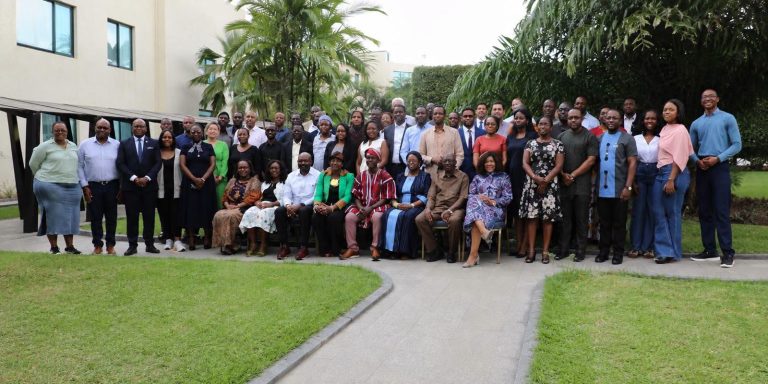
ACCRA, Ghana, August 12, 2026 — As the countdown to the 31st United Nations Climate Change Conference (COP31) intensifies, African climate negotiators have gathered in Accra, Ghana, to strengthen the continent’s negotiating strategy, with EPA Teddy P. Taylor among those taking part in the high-level discussions.
Taylor, Assistant Director for Multilateral Environmental Agreements (MEAs) – External Relations at Liberia’s Environmental Protection Agency (EPA), is participating in the African Group of Negotiators (AGN) Strategic Meeting, being held from August 12–14, 2026, at the Fiesta Royal Hotel in Accra.
He also serves as the Lead Coordinator for Action for Climate Empowerment (ACE) for the African Group of Negotiators on Climate Change, placing him among African experts contributing to the coordination of the continent’s positions in the international climate negotiations.
The three-day meeting, convened under the leadership of the Chair of the African Group of Negotiators, brings together AGN Lead Coordinators, National Focal Points, representatives of the African Union Commission and other invited stakeholders.
The meeting is focused on assessing the outcomes of the 64th sessions of the UNFCCC Subsidiary Bodies (SB64) held in Bonn, Germany, in June 2026, while developing a stronger and coordinated African strategy ahead of COP31, scheduled for November in Antalya, Türkiye.
The Accra meeting comes at a critical time for Africa’s climate diplomacy, with less than four months remaining before COP31.
At SB64 in Bonn, countries advanced discussions across several areas of importance to Africa, including climate finance, adaptation, mitigation, technology development and transfer, capacity-building, transparency, just transition, response measures, Article 6, climate change and trade, the Global Stocktake and Action for Climate Empowerment.
African negotiators are now expected to examine the outcomes of those discussions and determine how they can be translated into clear priorities and coordinated positions for COP31.
The Accra meeting is therefore designed to go beyond simply reviewing what happened in Bonn.
Participants are expected to identify emerging political dynamics, opportunities and risks while strengthening coordination among AGN Lead Coordinators and National Focal Points.
The discussions will also help determine areas where Africa requires additional technical analysis, political engagement and diplomatic outreach before COP31.
For Liberia, Taylor’s participation provides an opportunity for the country to contribute directly to Africa’s broader climate diplomacy and help shape discussions on issues that will influence the continent’s position at COP31.
His role as Lead Coordinator for Action for Climate Empowerment (ACE) also gives Liberia a platform in discussions surrounding climate education, public awareness, access to information and the meaningful participation of communities and stakeholders in climate action.
The meeting covers a broad range of issues of importance to the continent, including climate finance, adaptation, mitigation, just transition, Article 6, the Global Stocktake, response measures, gender, agriculture, capacity-building, ACE, climate change and trade, science, oceans and mountains, as well as the relationship between climate change, peace and security.
From discussions to an African COP31 strategy
A major focus of the Accra gathering is to translate the outcomes of technical and thematic discussions into an actionable strategy for COP31.
Participants are expected to agree on Africa’s strategic priorities, key messages and negotiating guidance for the Antalya conference.
The meeting is also expected to produce an Accra Strategic Meeting Communiqué, updated AGN negotiation guidance notes and a COP31 Action Matrix assigning responsibilities and timelines.
A list of priority bilateral and multilateral engagements is also expected to guide Africa’s diplomatic outreach ahead of COP31.
These outcomes are intended to help African negotiators enter the Antalya conference with greater coordination, clearer priorities and a stronger common negotiating position.
The Accra meeting is not only focused on the upcoming climate conference.
Discussions will also contribute to longer-term preparations for COP32 in Addis Ababa, providing an opportunity for African negotiators to begin laying the groundwork for stronger continental leadership and coordination in future international climate negotiations.
For Liberia, Taylor’s participation represents the country’s continued engagement in regional and global multilateral environmental processes.
It also provides an avenue for Liberia to bring its national perspectives into Africa’s collective climate diplomacy while engaging with fellow negotiators, technical experts and policymakers on issues that will shape the continent’s response to climate change.
The strategic meeting is scheduled to conclude on August 14, 2026, with discussions on coordination and next steps, preparation of model COP31 draft decisions and the adoption of agreed outcomes.