
Posts Categories
Latest Posts
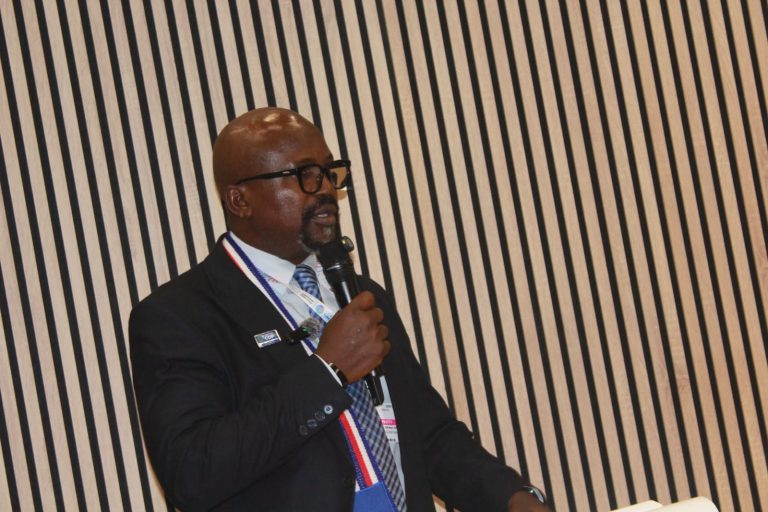
ANTALYA, TÜRKİYE, NOVEMBER 11, 2026_Liberia’s Minister of Public Works, Hon. Roland Layfette Giddings, has called for the redesign of the country’s infrastructure to make it more resilient to the growing impacts of climate change, particularly heavy rainfall and flooding.
Minister Giddings made the call on Tuesday, November 10, 2026, while speaking at a side event organized by the Ministry of Public Works at the Liberia Pavilion during the ongoing 31st United Nations Climate Change Conference (COP31) in Antalya, Türkiye.
The event brought together government officials, civil society organizations, and international partners to discuss the challenges and opportunities in developing climate-resilient infrastructure in Liberia.
Speaking at the event, Minister Giddings highlighted Liberia’s vulnerability to climate change, noting that the country receives nearly 5,000 millimeters of rainfall annually. While the rainfall is beneficial to agriculture, he explained that it also presents serious challenges for roads, bridges, drainage systems, and other public infrastructure.
He acknowledged that infrastructure designs in the past did not adequately consider climate resilience, emphasizing the need for the government to review existing approaches and adopt designs that can withstand changing climate conditions.
The Minister stressed that particular attention must be given to improving drainage systems to effectively manage heavy rainfall, reduce flooding, and prevent damage to roads, bridges, and other infrastructure.
He further noted that although Liberia has so far avoided some of the major climate-related disasters experienced in other countries, there is a need to prepare for future climate risks by investing in infrastructure that can withstand extreme weather conditions.
A key highlight of the event was the Ministry of Public Works’ partnership with Conservation International, formalized through a Memorandum of Understanding (MOU), to promote innovative approaches to sustainable and climate-resilient infrastructure development.
Through the partnership, Conservation International is supporting the introduction of green-gray infrastructure, an approach that combines natural solutions with conventional engineering practices to improve infrastructure sustainability and resilience.
The collaboration also provides training opportunities for engineers to strengthen their capacity to incorporate climate adaptation measures and nature-based solutions into infrastructure planning, design, and implementation.
Minister Giddings welcomed the partnership and emphasized the importance of continued collaboration, innovation, and capacity-building to ensure that future infrastructure projects adequately respond to the country’s climate challenges.
The session also underscored the importance of cooperation among government institutions, civil society, and international development partners in identifying practical solutions to Liberia’s infrastructure challenges.
Among the key actions highlighted were continued collaboration between the Ministry of Public Works and Conservation International, ongoing training for engineers, reviewing existing infrastructure plans, and prioritizing drainage systems capable of managing the country’s high annual rainfall.